Programme
The programme at a glance shows the distribution of the main slots across the two days. The tables below indicate where the main sessions take place; detailed workshop programmes are available from the buttons below the tables.
Programme at a Glance
Thursday, 18 June 2026
| Time | CB30A | CB30B | CB31A |
|---|---|---|---|
| 08:00-09:00 | Registrationstand available in the CuBo building corridor | ||
| 09:00-10:30 | AI for Medicine and Health | Generative & Agentic AI | AI for Sustainability |
| 10:30-11:00 | Coffee Break | ||
| 11:00-11:40 | AI for Medicine and Health | Generative & Agentic AI | AI for Sustainability |
| 11:40-12:50 | AI for Cybersecurity | ||
| 12:50-13:10 | - | ||
| 13:10-14:30 | Lunch | ||
| 14:30-14:50 | AI for Medicine and Health | Responsible and Trustworthy AI | AI for Public Administration |
| 14:50-16:10 | AI for Industry | ||
| 16:10-16:30 | - | ||
| 16:30-17:00 | Coffee Break | ||
| 17:00-17:20 | AI for Industry | Responsible and Trustworthy AI | AI and Disinformation |
| 17:20-17:40 | AI for Robotics | ||
| 17:40-18:00 | - | ||
| 18:00-18:10 | - | - | |
| 19:00 | Social Event | ||
Friday, 19 June 2026
| Time | Aula Magna CUBO | CB30A |
|---|---|---|
| 09:30-10:00 | Opening | - |
| 10:00-11:00 | Round table: Artificial Intelligence for industry and research | - |
| 11:00-11:30 | Coffee Break | |
| 11:30-12:15 | Round table: Quantum Computing and Artificial Intelligence | NVIDIA workshop: Rapid Application Development with LLMs and a Medical Use-case11:30-13:30 |
| 12:15-13:30 | Remarks from the workshops | |
| 13:30-14:30 | Lunch | |
| 14:30-17:10 | - | Doctoral Consortium - paper presentations |
Detailed workshop programmes
Go directly to the detailed programme for each workshop and the Doctoral Consortium.
Plenary Session
The morning plenary session will be organized into two round tables involving representatives from academia, scientific societies, and industry.
Moderator: Alessio Jacona
Alessio Jacona is a journalist, host and moderator specializing in technology and innovation. He curates the Artificial Intelligence Observatory on Ansa.it and contributes to the Rai1 programme “Codice, la vita è digitale”. He began twenty-five years ago writing about hardware and software news; today he tells stories about people, how we all use new technologies, the opportunities and risks they bring, and how their adoption changes the very meaning of what we do and who we are. He currently writes about this epochal transformation for Italian Tech (GEDI Group), ANSA.it and Civiltà dei Dati; in the past he wrote for Nova24 (IlSole24Ore), L'Espresso, Wired Italia and Corriere Motori.
Round table 1 - Artificial Intelligence for industry and research: building value for the country
Participants: Domenico Convertino (Senior Vice President at HCLTech), Maurizio Stumbo (Head of the Infrastructure, Data Center and Cyber Security Division, Sogei), Andrea Orlandini (Institute of Cognitive Sciences and Technologies of the National Research Council of Italy, President of AIxIA) and Sebastiano Battiato (University of Catania, CVPL Delegate for IAPR).
The round table will discuss how collaboration among public research, universities and companies can accelerate the adoption of Artificial Intelligence and generate economic and social impact. The debate will address the opportunities offered by AI for the competitiveness of the productive system, innovation in public administration, technology transfer and the development of strategic skills for the country's future.
Round table 2 - Quantum Computing and Artificial Intelligence: convergences, opportunities and challenges
Participants: Alessandro Zavatta (President and COO of QTI Srl), Cosma Belli (Southern & Western Europe Director | Country Manager, Italy | Quantum Computing for HPC & AI | IQM Quantum Computers) and Beniamino Di Martino (University of Campania Luigi Vanvitelli).
The discussion will explore the relationship between Artificial Intelligence and quantum technologies, analyzing the state of the art, application prospects and future scenarios. The focus will be on the opportunities that may emerge from the integration of AI and Quantum Computing, the main scientific and technological obstacles still open, and the role that research and industry can play in the development of this strategic sector.
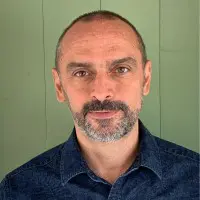
Cosma Belli
Southern & Western Europe Director | Country Manager, Italy | Quantum Computing for HPC & AI | IQM Quantum Computers
Cosma Belli is Southern & Western Europe Director and Country Manager for Italy at IQM Quantum Computers. He has more than 20 years of IT experience in technical engineering and business development roles for multinationals, software companies and system integrators, with a focus on adopting new technologies and quantum computing for HPC and AI.
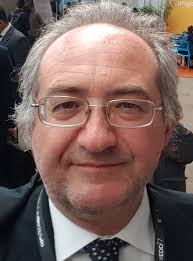
Beniamino Di Martino
Professor at Università degli Studi della Campania Luigi Vanvitelli
Beniamino Di Martino is a professor at Università degli Studi della Campania Luigi Vanvitelli. He joins the round table on Quantum Computing and Artificial Intelligence, contributing an academic perspective on research, technology integration and application development.
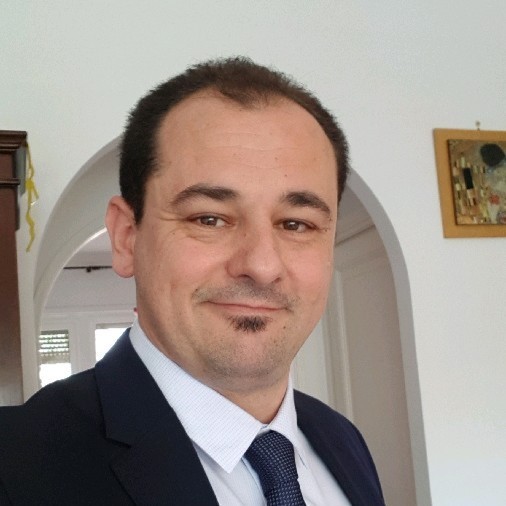
Andrea Orlandini
President of AIxIA
Andrea Orlandini is a Senior Researcher at the Institute of Cognitive Sciences and Technologies of the National Research Council of Italy and President of AIxIA. His research spans automated planning, cognitive robotics and human-machine interaction, with attention to dialogue among research, industry and civil society.
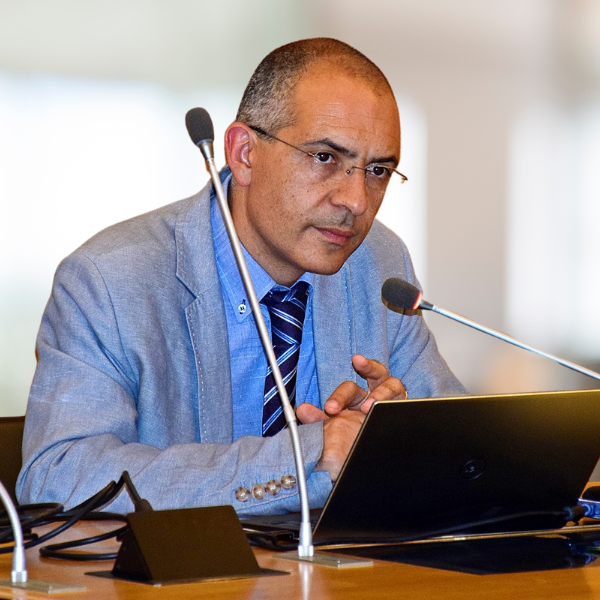
Sebastiano Battiato
CVPL Delegate for IAPR
Sebastiano Battiato is Full Professor of Computer Science at the University of Catania. His work focuses on computer vision, multimedia forensics and imaging technologies applied to industrial and consumer contexts; he teaches Computer Vision and Digital Forensics.
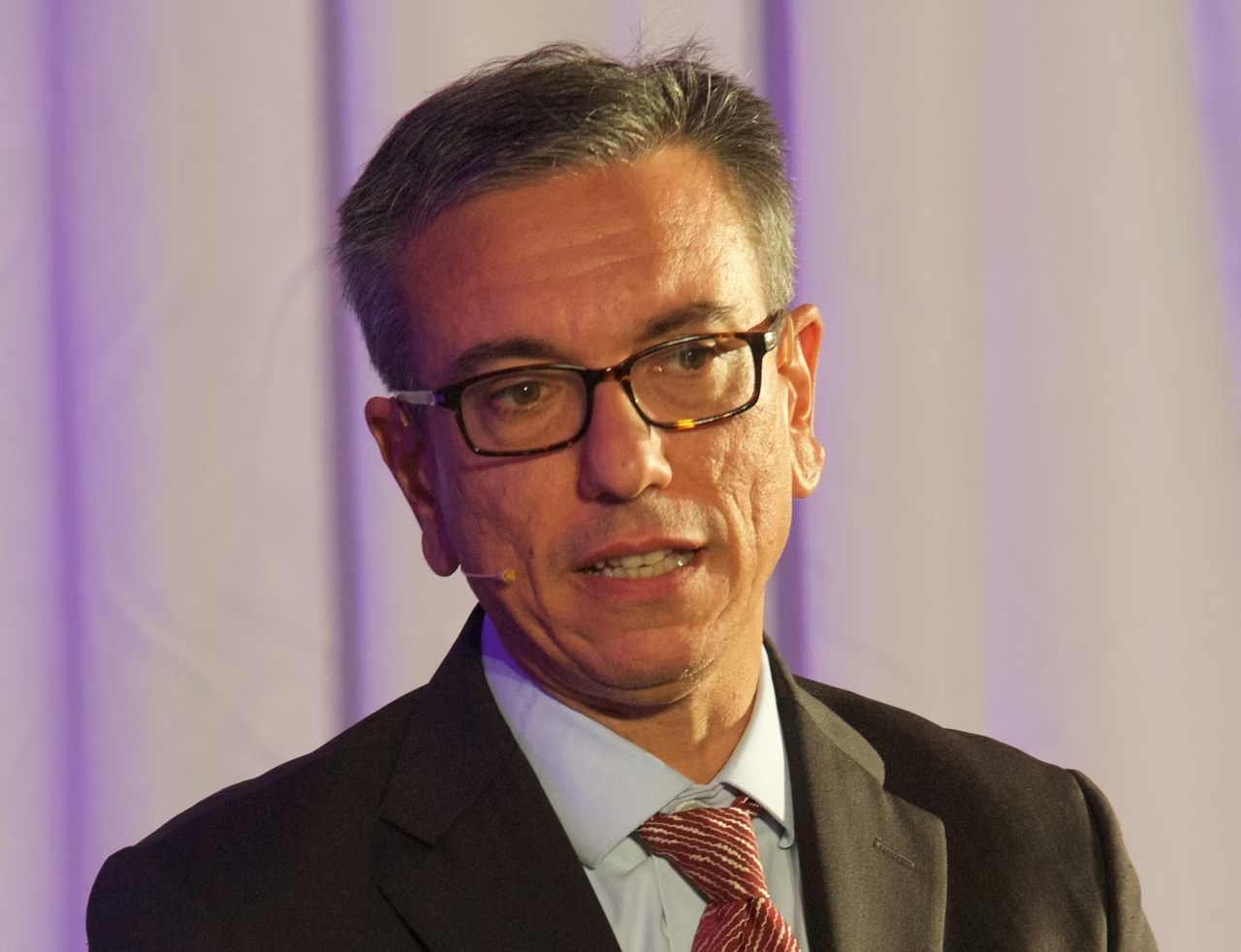
Domenico Convertino
Senior Vice President at HCLTech
Domenico Convertino is Senior Vice President, Communications Technology Group, at HCLTech. He has long-standing experience in telecommunications, OSS/BSS, IT service management and network automation, developed through product management and digital transformation roles.
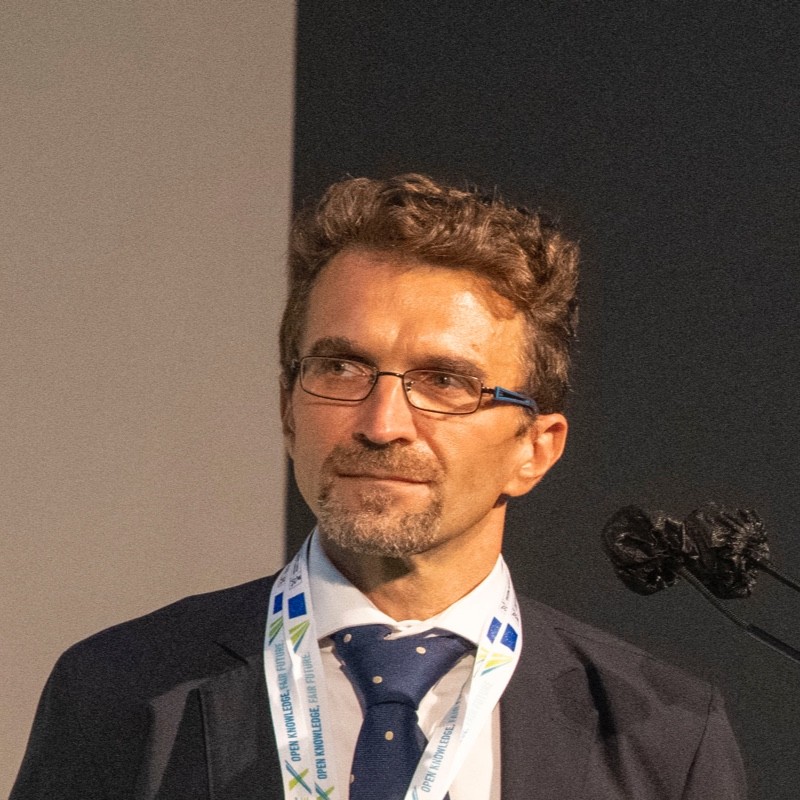
Alessandro Zavatta
President and COO of QTI Srl | Head of CNR-INO Trieste Unit
Alessandro Zavatta is a Senior Research Scientist at CNR's National Institute of Optics and an Adjunct Professor at the University of Florence. He leads the CNR-INO Trieste Unit and coordinates CNR's Quantum Communication and Information (QCI) laboratory in Florence and Trieste; his work focuses on quantum technologies and secure quantum communications. He co-founded QTI as a CNR spin-off, serves as President and COO, and has co-authored more than 100 peer-reviewed scientific publications.
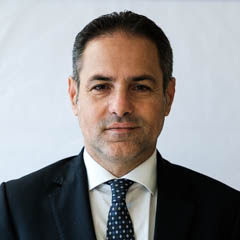
Maurizio Stumbo
Head of the Infrastructure, Data Center and Cyber Security Division, Sogei
Maurizio Stumbo is an ICT manager with experience in digital transformation for the public administration. He joined Sogei in 2022 and has led areas related to digital services, infrastructure and data centers; previously he was Director of Information Systems at LAZIOcrea and Vice President of Assinter with responsibility for digital health services.
Workshops Summary
The plenary session will also include a workshops summary coordinated by Carlo Sansone, Director of the CINI-AIIS National Laboratory, and Paolo Soda, Professor at Università Campus Bio-Medico di Roma.
Doctoral Consortium
The Doctoral Consortium on Friday, 19 June 2026 includes the NVIDIA workshop from 11:30 to 13:30 and, in the afternoon, doctoral paper presentations through 17:10.
The session will offer participants an opportunity for scientific exchange on emerging AI topics, supporting discussion around ongoing research projects and interaction among PhD students, faculty members, and invited speakers. The detailed table with each contribution and time slot is available on the dedicated Doctoral Consortium page.
NVIDIA workshop on Rapid Application Development with LLMs and a Medical Use-case
Recent advancements in Large Language Models (LLMs) are transforming many sectors including Healthcare and Medicine. This hands-on workshop offered by NVIDIA sponsored curriculum is designed to help developers quickly build and deploy LLM-powered applications by leveraging the vast open-source ecosystem. Participants will explore the full development lifecycle, from understanding transformer architectures and tokenization to implementing sophisticated agentic workflows. The workshop will finish with a medical expert system use-case demonstration.
The session aims to provide practical experience for developers with the Hugging Face Transformers API for tasks such as semantic analysis, zero-shot classification, and question-answering. Beyond text, attendees will delve into multimodal architectures, including CLIP and diffusion models, to integrate images and audio into their AI workflows. Finally, the workshop covers advanced orchestration using LangChain and LangGraph to build environment-aware agents capable of executing complex, real-world tasks.
This activity is part of the Doctoral Consortium programme as a training session focused on rapid development of LLM-based applications.
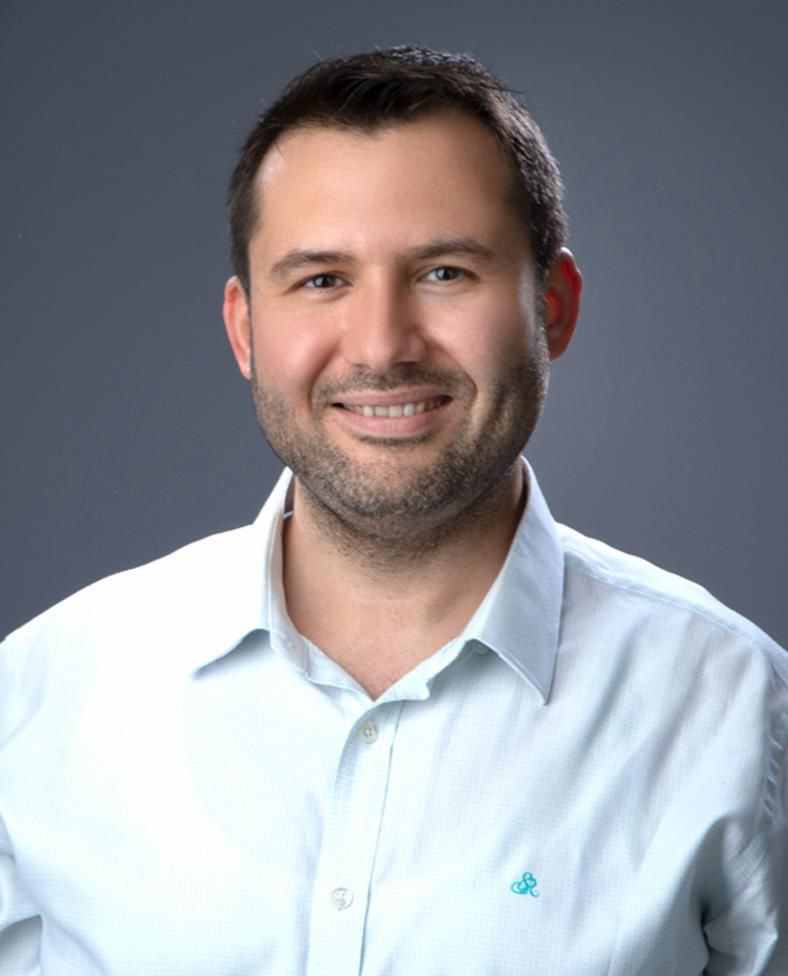
Eyup Cinar
Eskisehir Osmangazi University and NVIDIA University Ambassador
Eyup Cinar is an Associate Professor in the Department of Computer Engineering at Eskişehir Osmangazi University, Türkiye. He earned his PhD in Microsystems Engineering from Rochester Institute of Technology and worked in the United States as a Senior Engineer at GLOBALFOUNDRIES and later as a Senior Data Scientist at ASML-HMI. He is an NVIDIA University Ambassador, certified NVIDIA Deep Learning Institute instructor and PyTorch Ambassador; his research focuses on AI-based methods, including deep learning, machine learning and data science for intelligent systems.